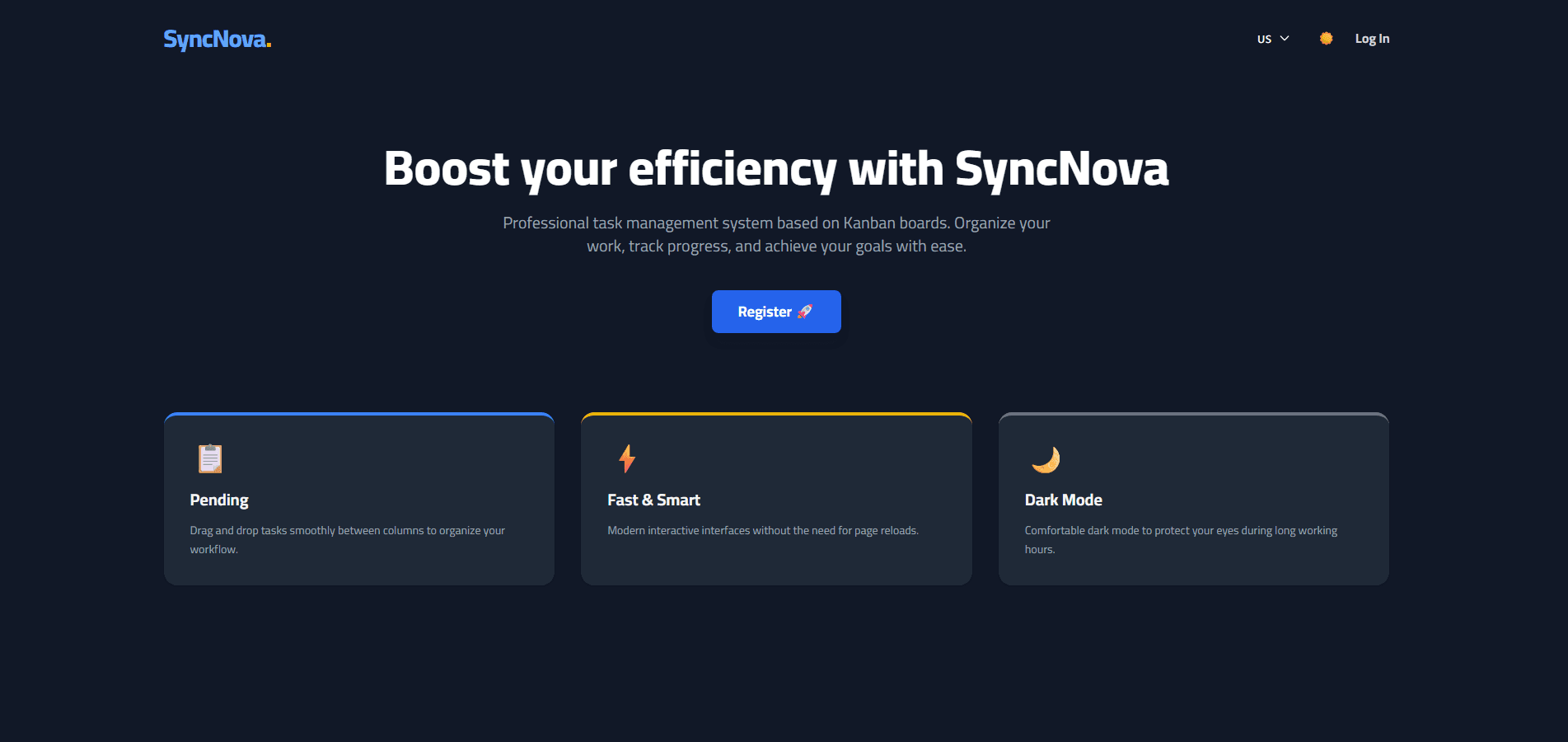
MogiTech | Small technical studio

We build clear websites and systems that help teams run work better.

If you need a serious business website, an internal dashboard, or a Laravel backend that connects real workflows, we build it in a practical way.

MogiTech logo
Founded by Mohamad Ghashim
  • Clear scope before build starts
  • Maintainable structure and clean code
  • Organized delivery with post-launch support

Remote studio working with small teams in Arabic and English.

What we build

We focus on useful delivery, not just polished presentation.

MogiTech gives small and mid-size teams a direct technical partner that can understand the need and turn it into a structured product.

We build business websites, internal systems, and operational dashboards that help teams manage requests, data, and day-to-day work with less friction.

If you already have a product that needs order, or an idea that needs a practical starting point, we begin by clarifying scope before adding complexity.

Who we help

We work with teams that need a direct technical partner.

The fit is less about company size and more about having a real need that should be built clearly and maintained properly.

Business owners

For people who need a service website or a simple system to organize requests and inquiries.

Startups

For teams that need a clear first version or a cleaner foundation before they continue building.

Local businesses

For businesses that need a practical online presence with service pages and structured contact.

Project types

The work is not limited to one kind of site.

The shape of the solution follows the actual need, not a preset template.

  • Business or service website
  • Internal operations dashboard
  • Booking or request portal
  • Laravel API and system integration
  • Interface cleanup for an existing product

Tech used when needed

We mention the stack as implementation context, not as the headline.

Most clients care about the result first. The tools matter, but they stay secondary to the business goal.

  • Next.js
  • TypeScript
  • Tailwind CSS
  • Laravel
  • REST APIs
  • PostgreSQL / MySQL
  • Vercel

Services

The service list is written around client needs.

Each service explains what gets built and how it supports the work itself.

Web applications

Custom web interfaces for bookings, requests, tracking, internal use, or focused operational flows.

Teams that need a clear interface instead of scattered messages, sheets, and manual steps.

  • Clear core screens
  • API or data connection
  • Responsive experience
  • A structure that can grow later
  • Less manual work
  • A clearer user journey
  • An easier interface for staff or customers
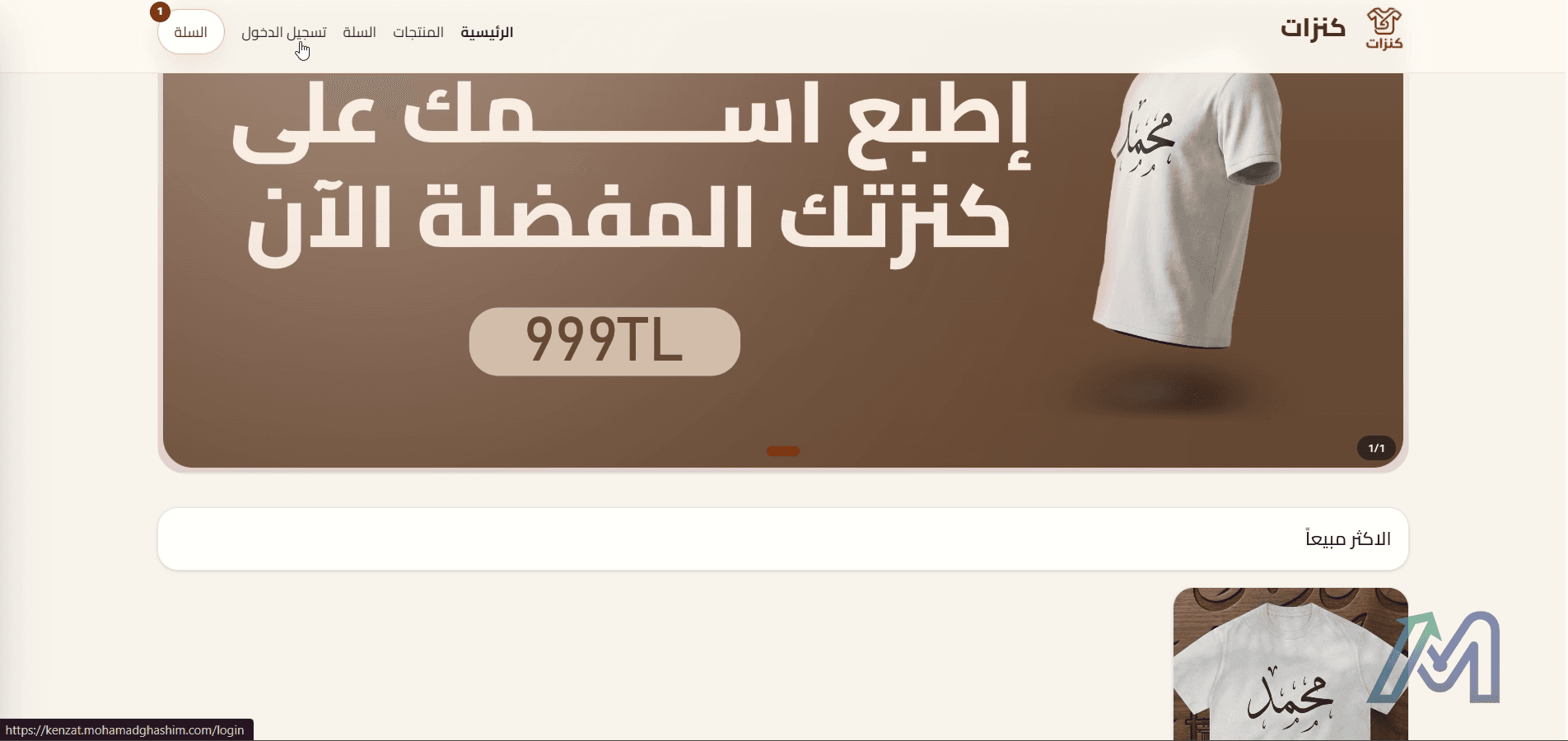
Admin dashboards

Operational dashboards that help teams track requests, statuses, and data in one clearer place.

Teams that need a practical control layer instead of jumping between different tools and sheets.

  • Lists, statuses, and filters
  • Roles and permissions
  • Clear data display
  • An organized operations view
  • A better picture of current work
  • Less switching between sources
  • Cleaner internal operations

Laravel backend and APIs

Maintainable Laravel backends and APIs for real data, internal logic, and system integrations.

Projects that need a stronger backend layer or a cleaner API foundation for the next stage.

  • Structured data models
  • Clear REST API endpoints
  • Authentication and permissions
  • A base ready for later extensions
  • A clearer data source
  • Better integration paths
  • Easier frontend work later

Business websites

Business and service websites that explain what you do clearly and guide visitors toward a useful inquiry.

Businesses that need a more serious digital presence than a generic template or social page.

  • Clear page structure
  • Direct service messaging
  • Inquiry forms or contact paths
  • Basic SEO setup
  • Better service clarity
  • More useful inquiries
  • A site that is easier to maintain

Technical consulting

Practical review and planning support for teams that need clarity before committing to a larger build.

Founders and teams who need a technical decision, a plan, or a reality check before development.

  • Review of the current situation
  • Priority ordering
  • Recommended scope for the next phase
  • Practical notes you can act on
  • Less confusion
  • A clearer decision path
  • A more realistic next step

Proof

The site should show that the work is real and structured.

That is why the work section includes screenshots, before and after blocks, outcomes, and short implementation notes.

Restaurants and daily operations

Order platform for a restaurant operating across multiple branches

We moved requests into one clearer flow instead of scattered WhatsApp messages and calls, with a simple dashboard for the staff.

Before the build, orders came through multiple channels with no shared screen, which slowed down follow-up and created repeated internal communication.

Web application + admin dashboard + order workflow

  • Built one order view for all branches
  • Organized status transitions
  • Surfaced the most important data for the staff
First release
3 weeks
Order review time
-60%
Tracking sources
One screen

Before

  • Orders arrived from separate channels
  • No shared state screen
  • Old messages had to be reviewed manually

After

  • One order list for the team
  • Clear state for each order
  • Faster follow-up within the branches

The first thing we fixed was not the visual layer. It was the staff question: where do I see the current state now?

Implementation note
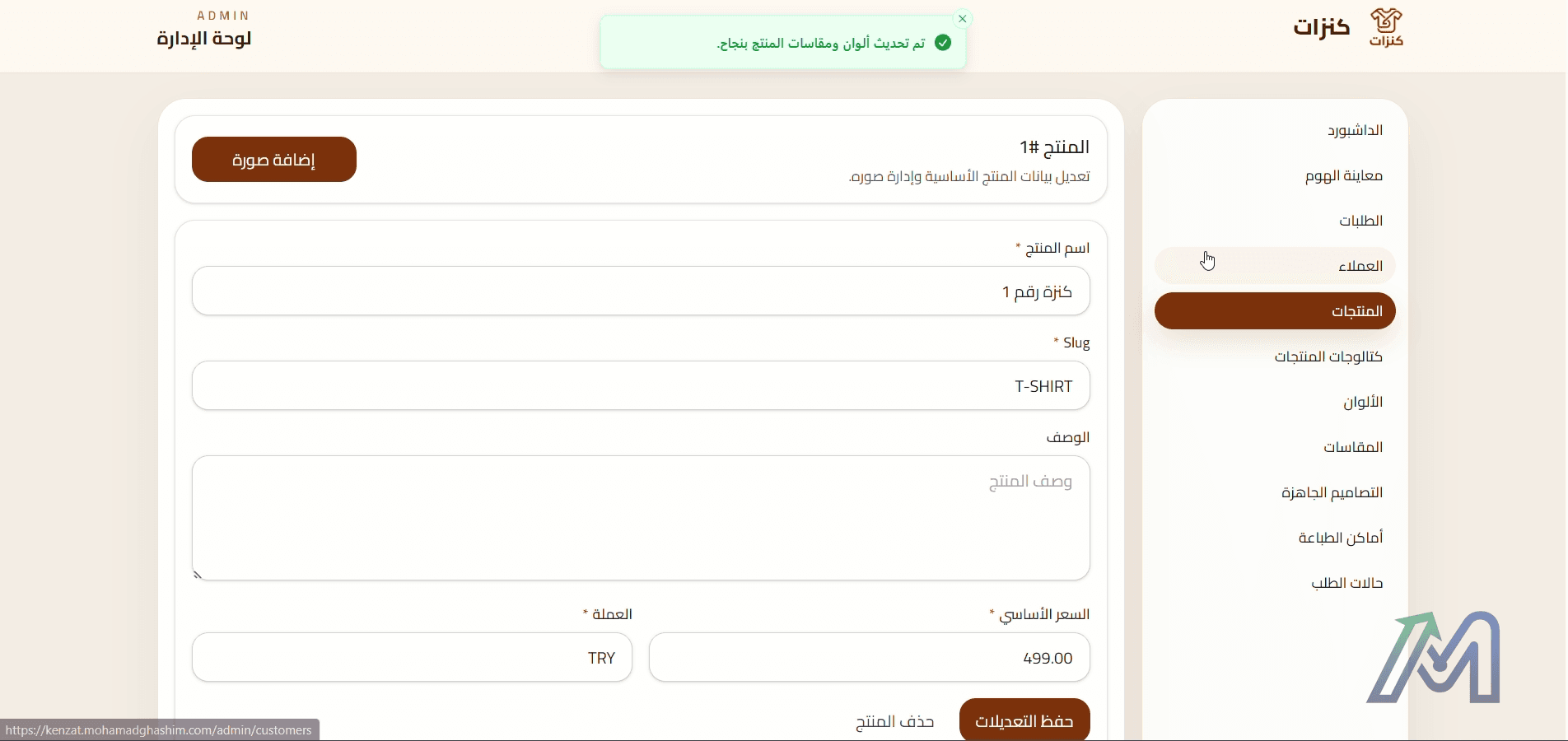
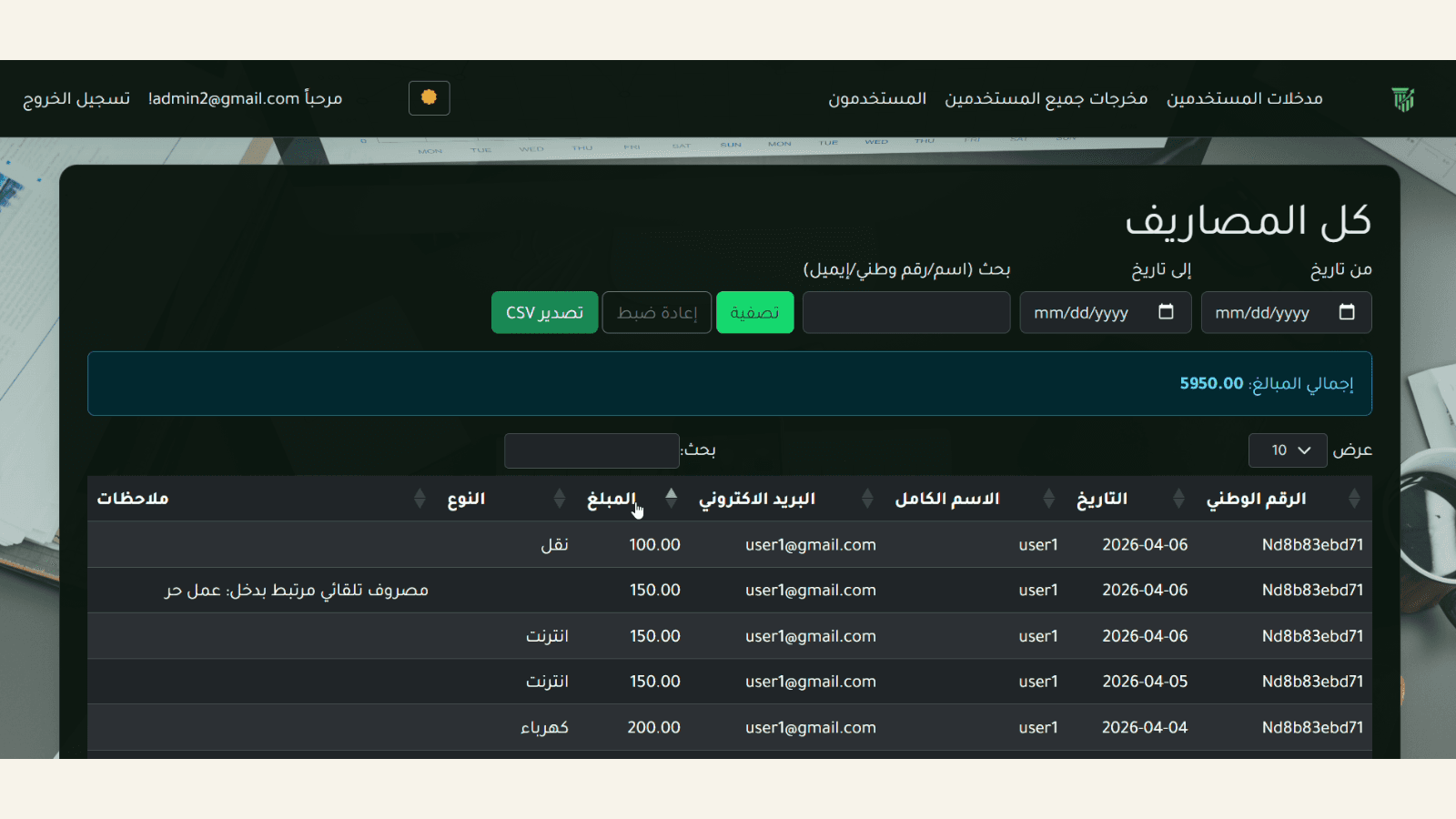
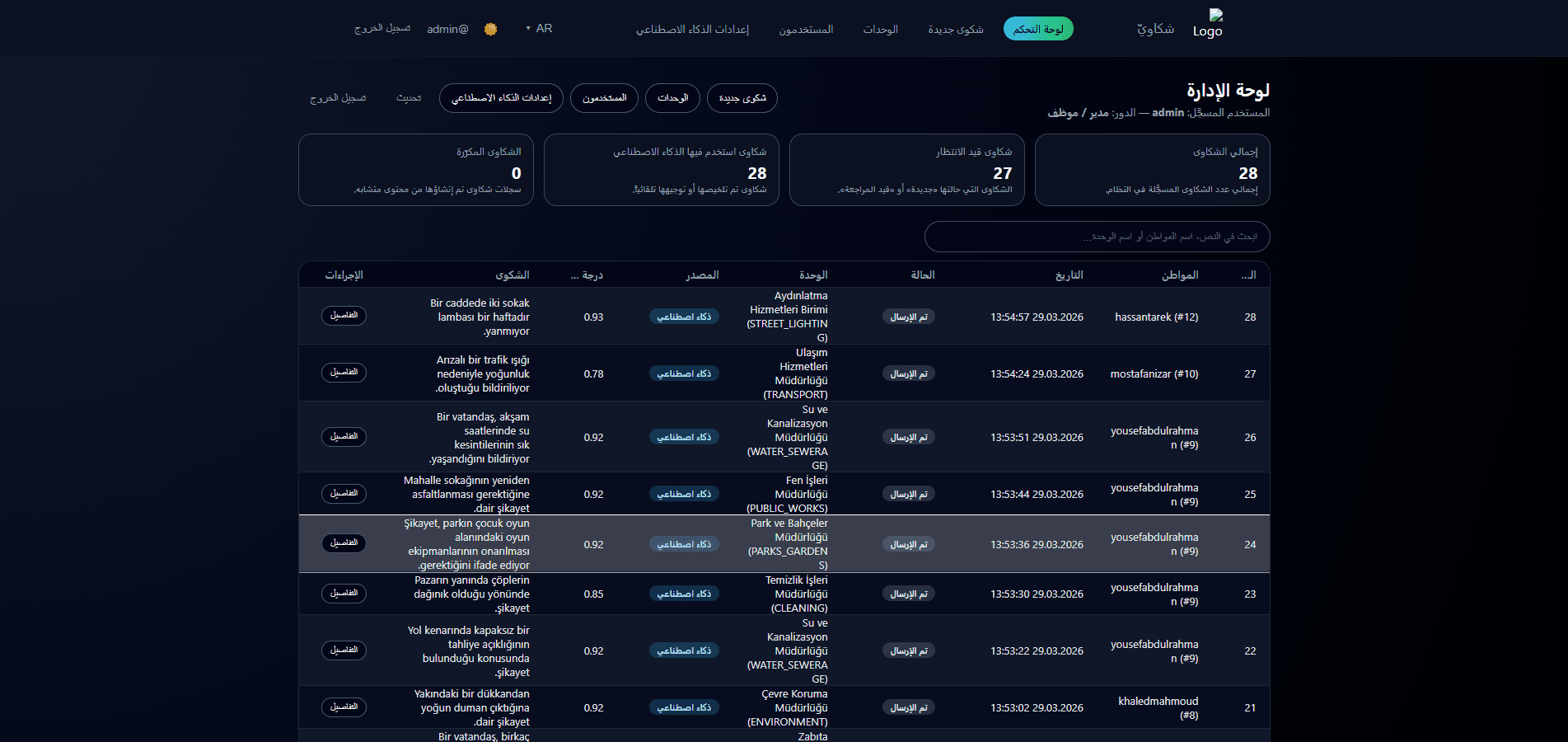
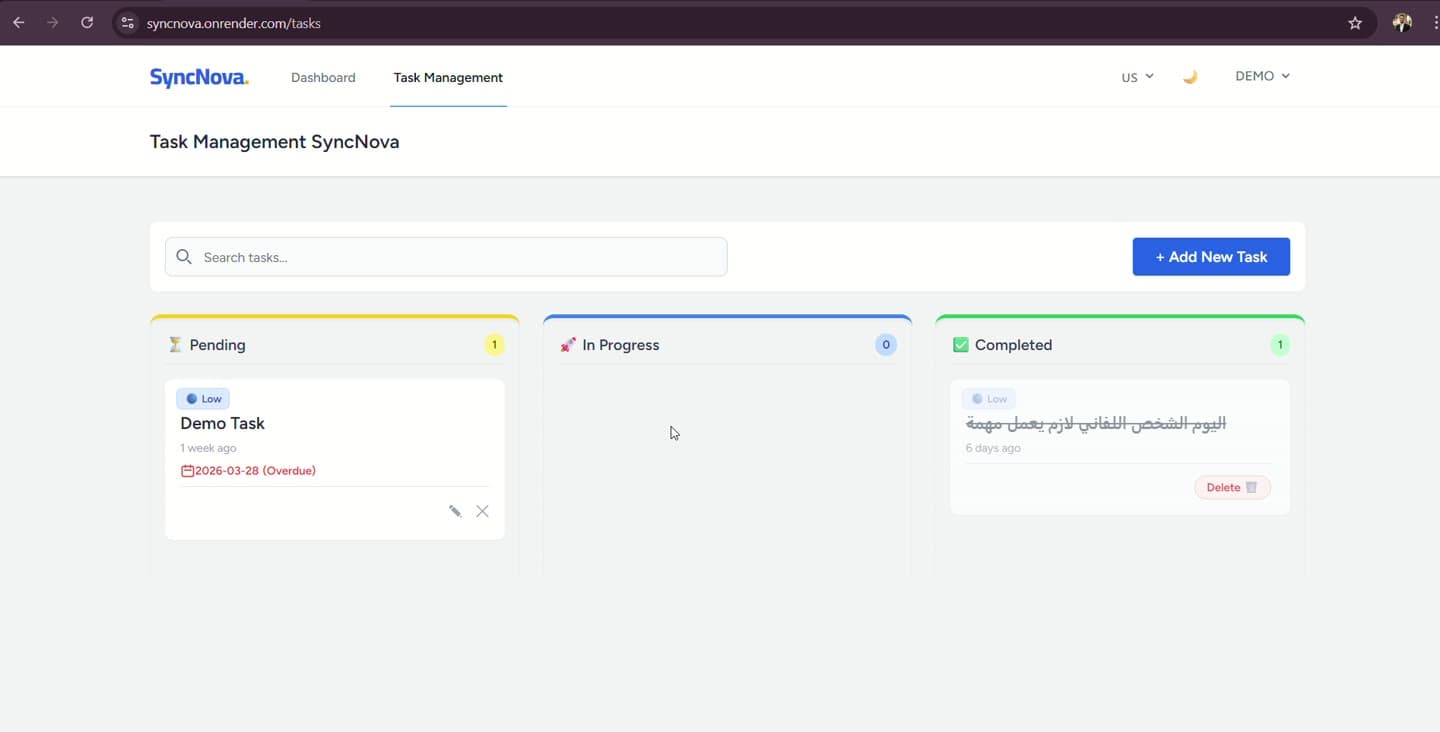
Screenshot of order operations interface
Main operations view for requests and statuses.
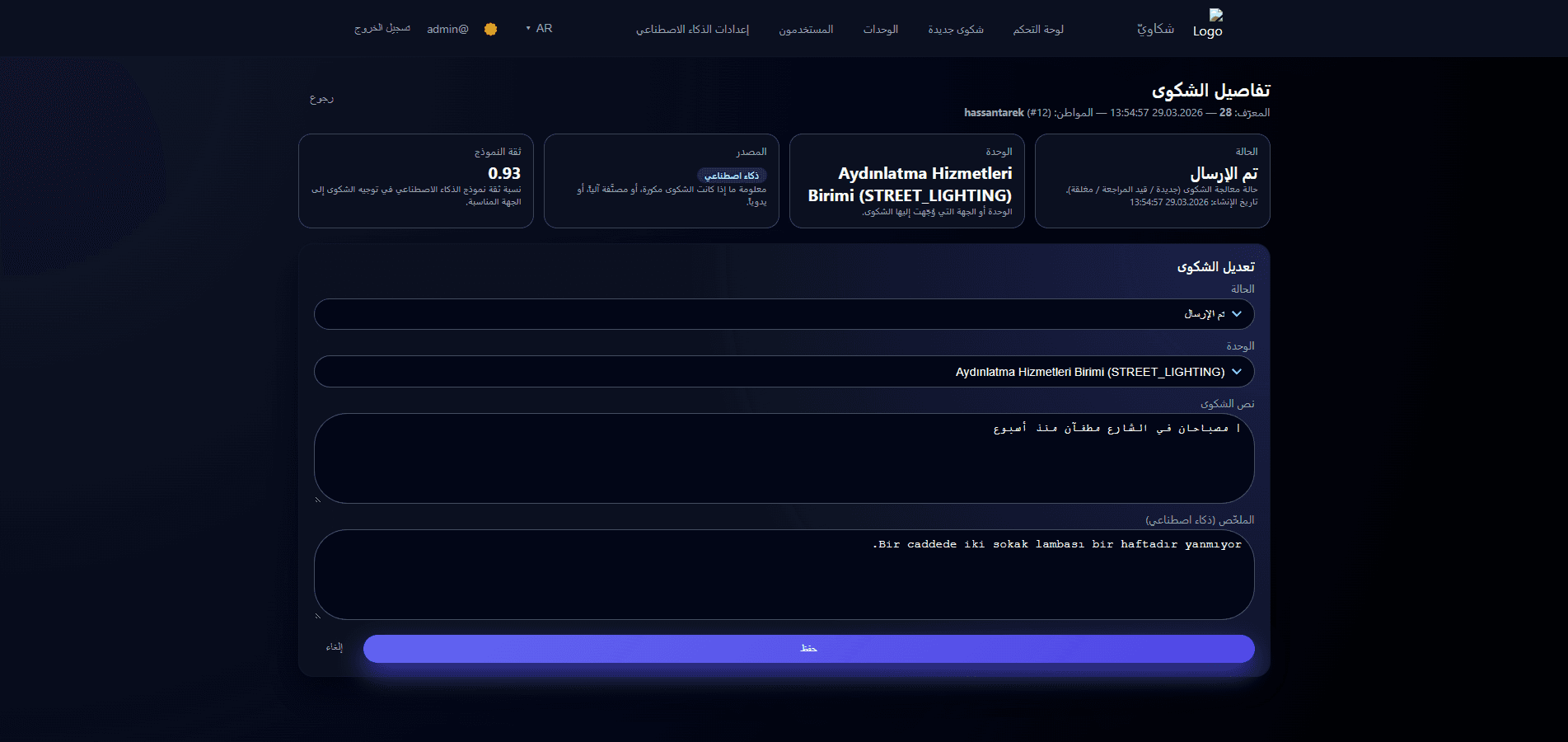
Screenshot of order details view
Order details and key customer data in one view.
Poster placeholder for a short product demo

Reserved slot for a short demo clip

A 20 to 40 second clip can show how an order moves through its main states inside the system.

00:28

Local services

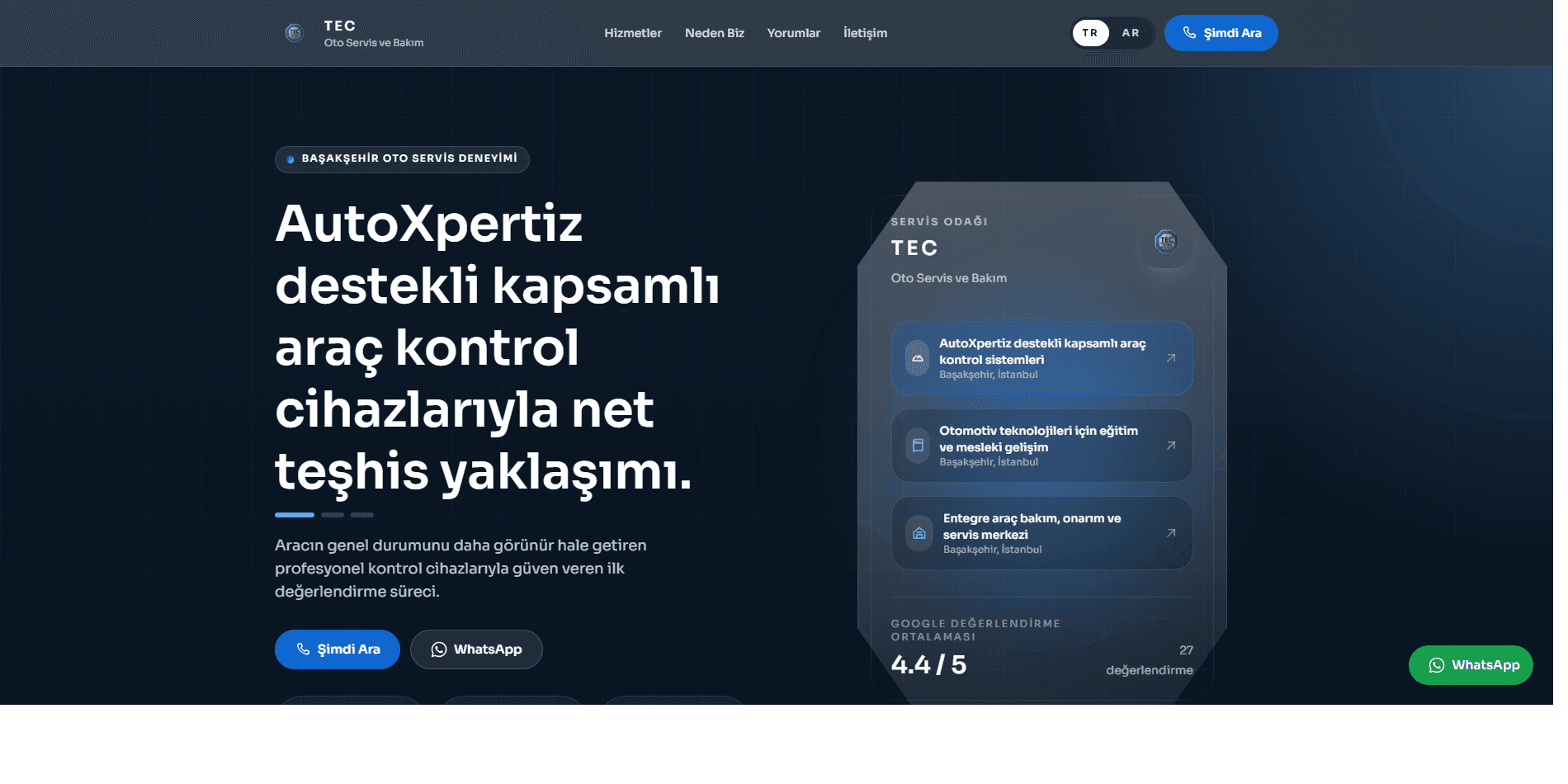
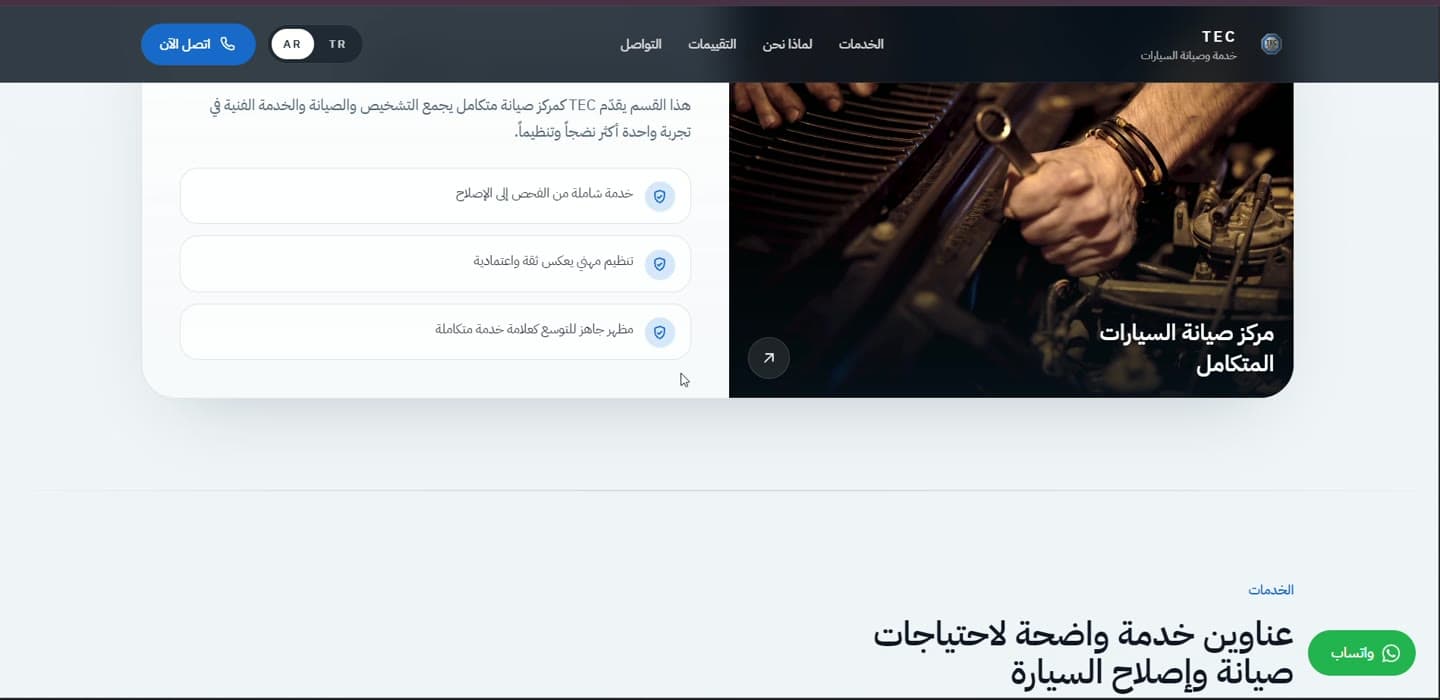
Service website redesign for a maintenance business

We reorganized the website so visitors can understand the service faster and reach the inquiry step with less friction.

The previous site felt broad and unclear. Visitors had to jump through too many pages before understanding the offer or how to get in touch.

Business website + service pages + inquiry structure

  • Rebuilt the content hierarchy
  • Created a visible before and after structure
  • Added a more direct inquiry path
Core pages
12 to 6
Delivery time
2 weeks
Inquiry path
Simplified

Before

  • Service message was too broad
  • Too many pages with weak sequencing
  • Visitors could not see the contact path quickly

After

  • One clear headline for the core service
  • Shorter page structure that helps decision making
  • Practical inquiry form and direct contact routes

For smaller service businesses, clarity is usually more important than adding more sections.

Why this kind of work matters
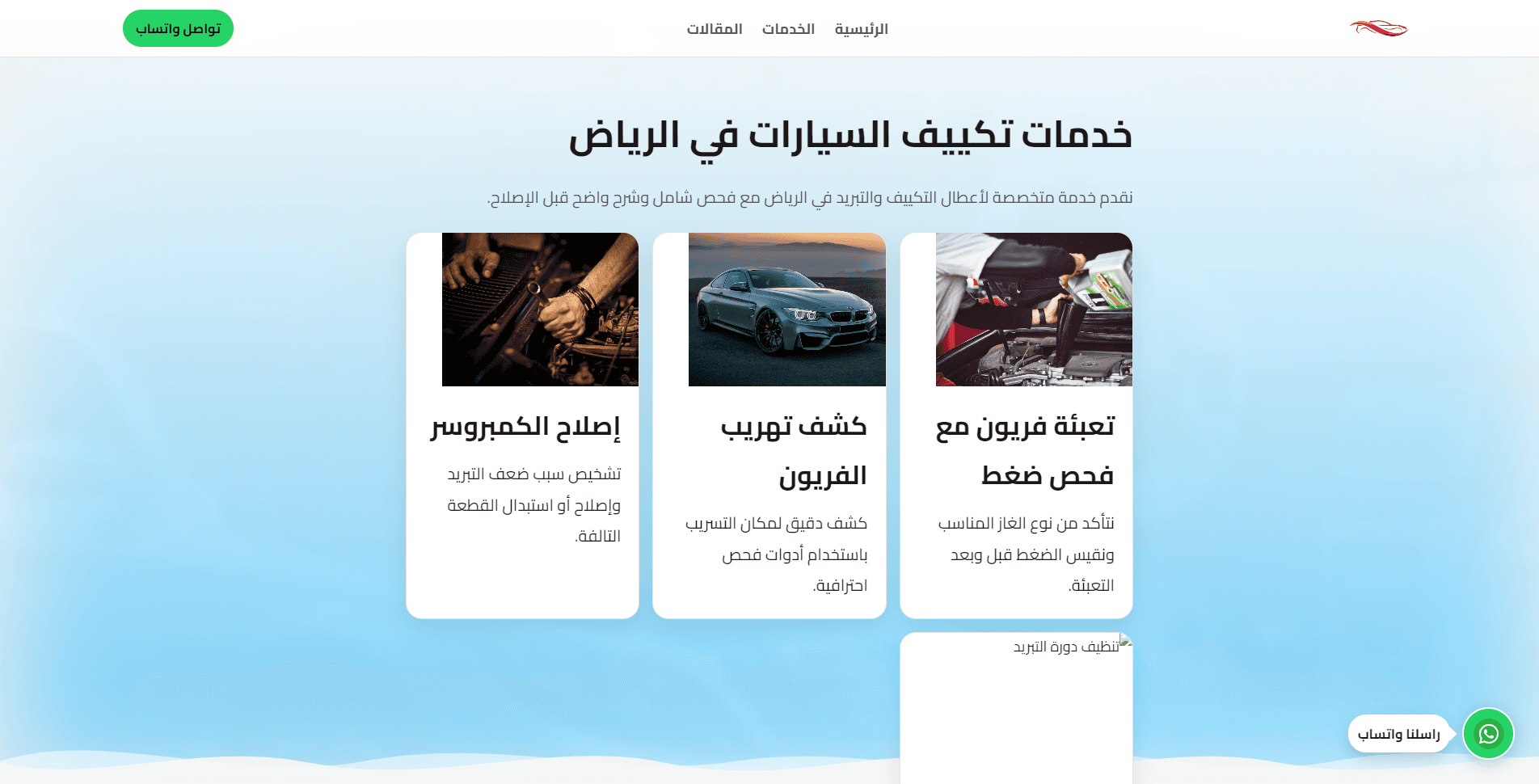
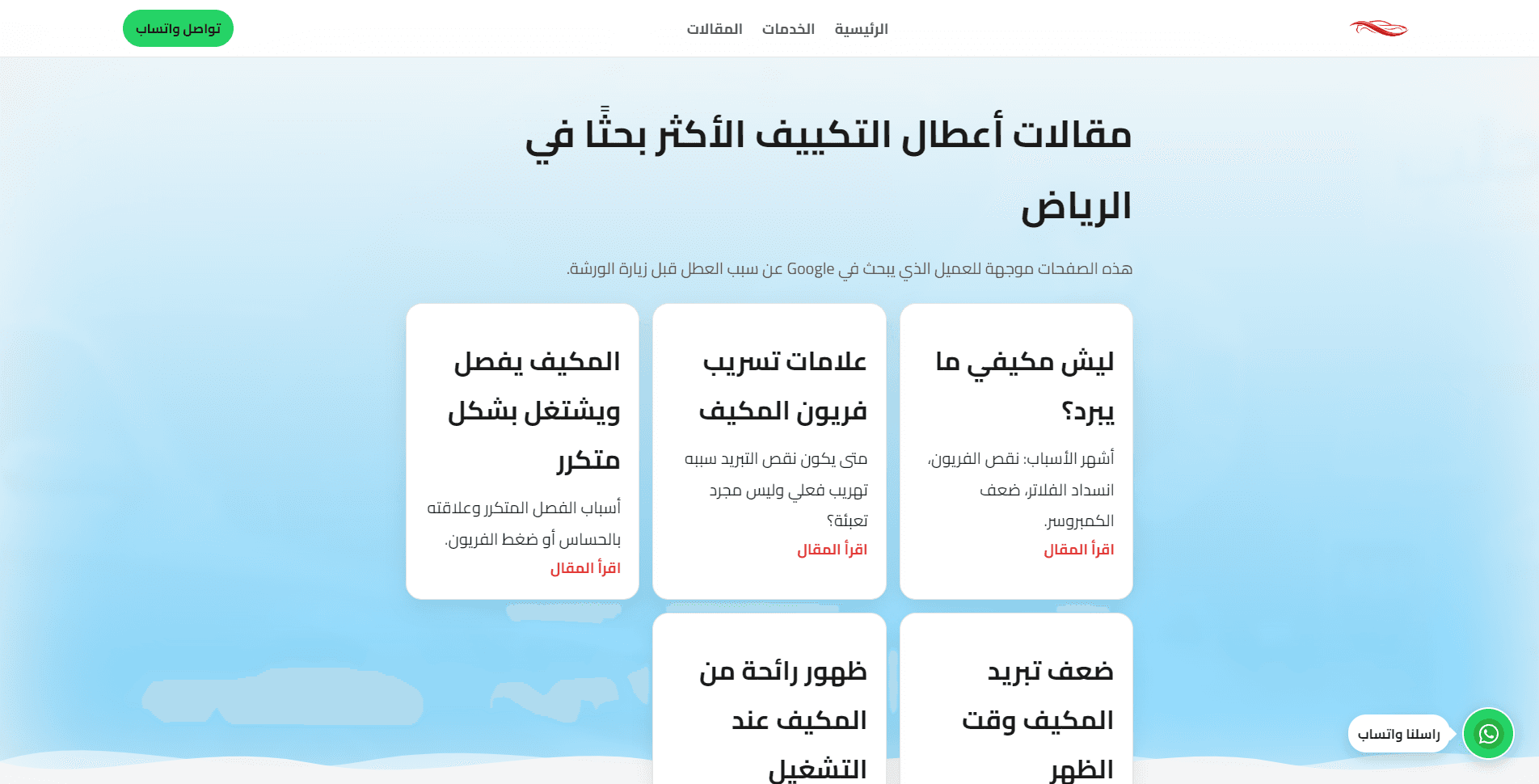
Website structure before redesign
Before: scattered messaging and weak hierarchy.
Website structure after redesign
After: clearer service positioning and contact path.
Poster placeholder for a browsing walkthrough

Reserved slot for a browsing walkthrough

A short clip can show the path from the homepage to the service page and inquiry form.

00:24

Internal operations and distribution

Laravel API and internal dashboard for a distribution workflow

We cleaned up the data layer and the operational interface so the team could track requests, inventory, and statuses with more confidence.

The previous process relied on separate files and manual checking, making it hard to know which status was current.

Laravel backend + API + internal operations dashboard

  • Mapped the main entities in the workflow
  • Built clearer endpoints
  • Created a dashboard that surfaces high-priority states
Repeated data entry
-40%
Current state source
One system
Phase one delivery
4 weeks

Before

  • Separate files and sheets
  • Heavy manual review
  • Unclear source of truth

After

  • Clearer data source
  • Structured API for interfaces and integrations
  • An operations view that shows what needs attention

Instead of starting from the interface, we first decided which entity was the true source inside the system.

Technical review note
Screenshot of API data flow view
Data flow and integration points in a clearer structure.
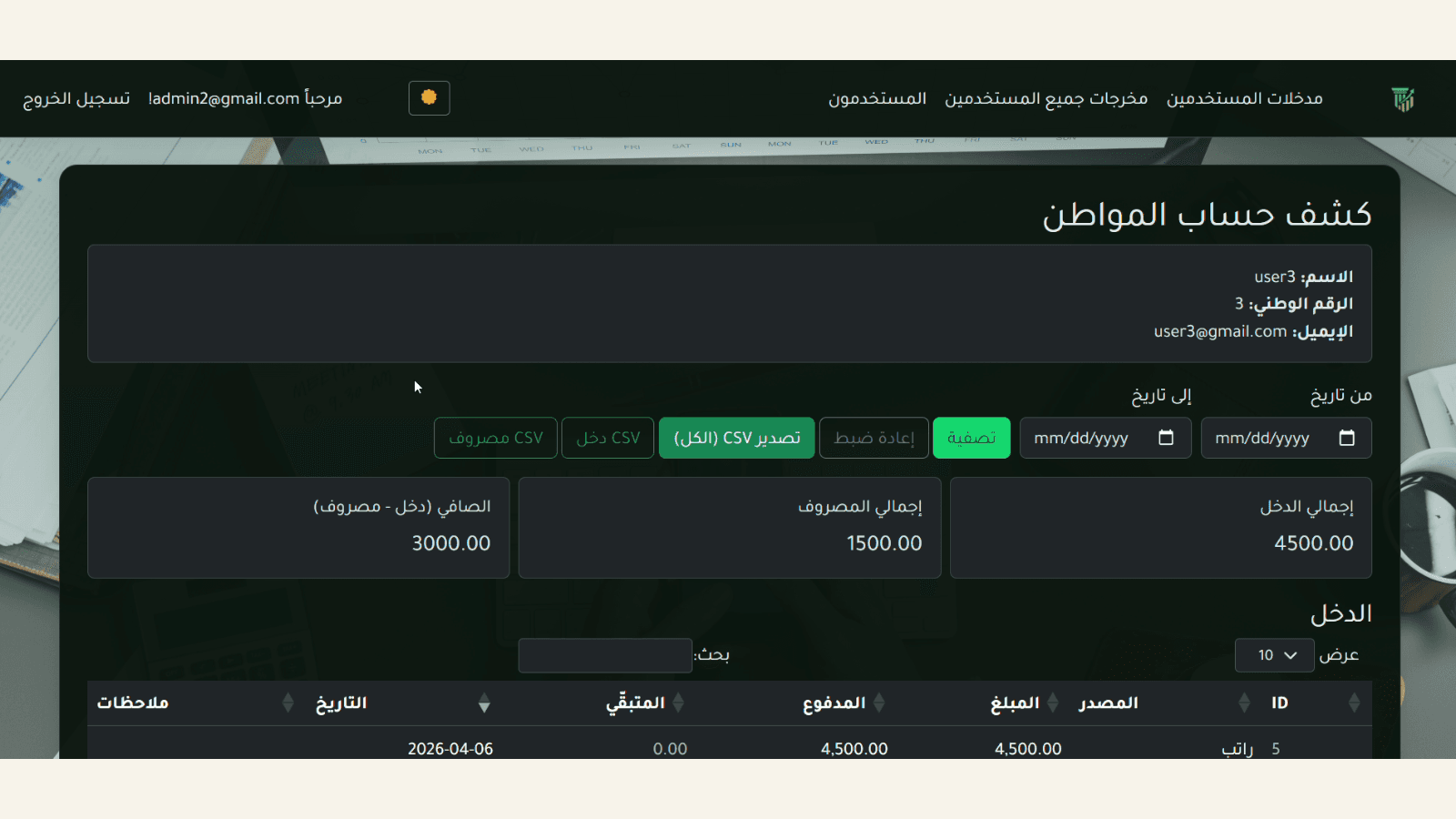
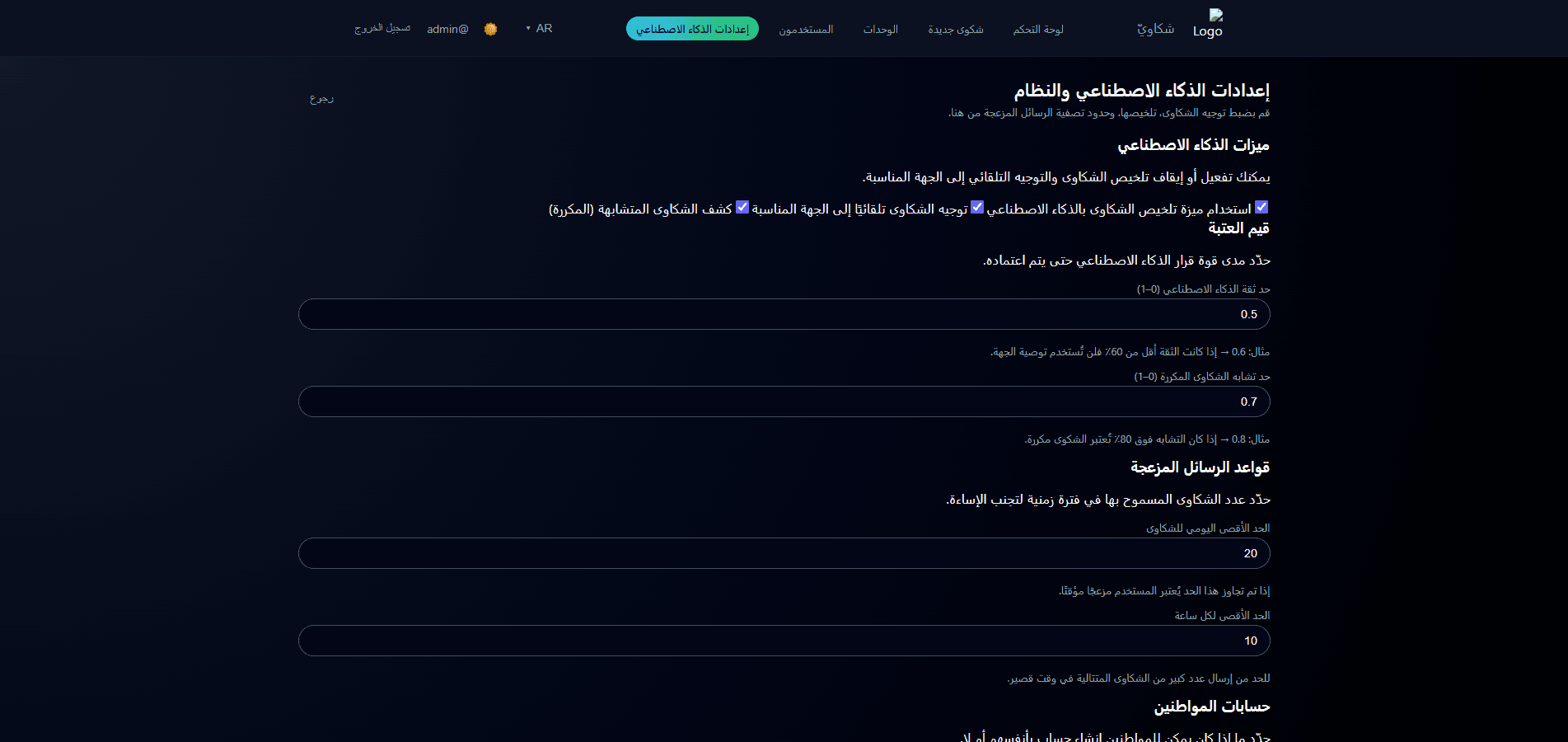
Screenshot of internal dashboard view
Internal dashboard showing cases that need review.
Poster placeholder for operations flow demo

Reserved slot for an operations flow clip

A short clip can explain how data moves through the API and how the team reviews states inside the dashboard.

00:34

How we work

Projects move through short, practical steps.

We start with scope, then plan the work, build the right version, and finish with a clear handoff.

01

Discovery

We review the current goal, the real problem, and what the first version or next phase should actually do.

  • A clear understanding of the current situation
  • A direct project goal
  • Relevant links or references

02

Planning

We set a realistic scope and organize pages, screens, and priorities before implementation starts.

  • Written scope
  • Ordered priorities
  • A clear split between now and later

03

Building

We develop the interface or system with short updates so the current status stays easy to follow.

  • Interface or backend implementation
  • Regular progress reviews
  • The required data and flow connections

04

Delivery

We hand over a ready version with final review and practical guidance on what happens next.

  • A launch-ready version
  • Basic usage or editing guidance
  • A short post-launch note

05

Support

After launch we can organize follow-up improvements or support depending on what the project actually needs.

  • Reasonable post-launch fixes
  • A list for the next phase
  • Limited or ongoing support by agreement

Why work with us

The value is in how the work is handled, not in broad promises.

These are operational points a client can actually notice during and after the project.

Clear scope

We define what belongs in the current phase and what should wait.

Organized build process

Pages, features, and data are arranged with a readable structure.

Clean code

The implementation stays maintainable after launch.

Simple communication

Status, questions, and decisions are explained directly.

Scalable backend work

When a project needs API or Laravel work, it is built for later growth.

Maintainable delivery

The handoff is meant to help the client keep improving the product.

Trust signals

We rely on observable process quality instead of fake logos.

These are practical signals a client can track during the engagement.

Scope notes before build

A written outline of goals, pages or screens, and expected delivery.

Short progress updates

Regular check-ins focused on what was done, what remains, and what needs a decision.

Clear content and file structure

So the project stays easier to update by the client or another developer later.

Practical handoff

The client knows what was delivered and how to move forward after launch.

Founder note

MogiTech is intentionally small.

The point is not to look bigger than the work. The point is to be clear, honest, and well organized. Many clients need a direct technical partner who can respond clearly and stay close to the actual work.

That is why MogiTech is set up as a studio that can explain what should be built now, what should wait, and how to keep the product maintainable after delivery.

Mohamad Ghashim

If you have a defined project or an idea that needs structure

Share the current situation, the outcome you want, and the expected timing. We will suggest the right starting step.

FAQ

Short answers to the questions clients usually ask before starting.

If your project has special constraints or depends on an existing system, send the details and we will explain the right starting point.

How long does a project usually take?+

It depends on scope clarity and the number of pages or screens. Business websites can start around two weeks, while systems and dashboards usually take longer.

Are revisions included during delivery?+

Yes. Reasonable review points are part of the process, but it helps when the main scope is clear from the beginning.

Do you provide support after launch?+

Yes. There is basic post-launch support for issues related to the delivered scope. Larger new features are usually handled as a separate phase.

How does pricing work?+

Pricing depends on the actual scope: the number of pages or screens, the level of backend or integration work, and whether the project is a first phase or an improvement on an existing product.

How do projects start?+

They usually start with a short message or form explaining the goal, what exists now, and what you want to reach.

Can you work on an existing project?+

Yes, as long as the current project is understandable and worth improving. Sometimes a partial cleanup is more sensible than a full rebuild.

Is Arabic the main language?+

Projects can be delivered in Arabic and English. In this site, Arabic is the default and English is included as a full secondary locale.